
Skin is the body’s largest organ and one of the most peptide responsive tissues in the body. It constantly rebuilds itself, defends against environmental damage, and loses structural integrity with age. Peptides play roles in every part of that process, from collagen production to pigmentation to how muscles beneath the skin create expression lines. Researchers study specific peptides to understand how skin ages and what mechanisms can be influenced in preclinical and clinical models. This article covers the most studied peptides in skin research and what the evidence shows. If you are new to peptide science, our beginner guide to research peptides provides useful starting context.
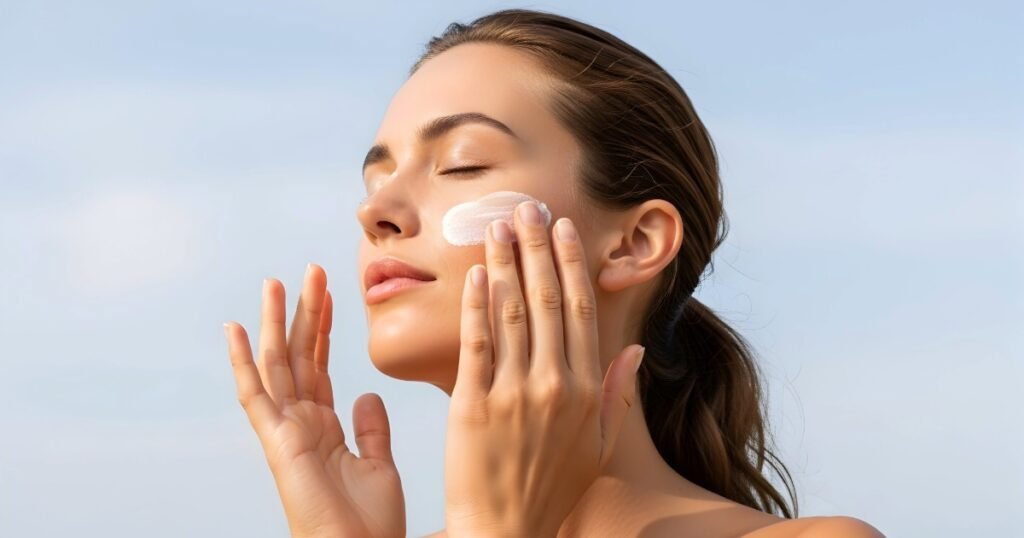
Key Research Facts: Peptides for Skin Care
- GHK-Cu reduced wrinkle volume by up to 55.8% and wrinkle depth by 32.8% compared to control in a randomized clinical trial over 8 weeks
- In a 12 week study of 71 women, topical GHK-Cu increased skin density and thickness while reducing fine lines, laxity, and wrinkle depth
- Melanocortin receptor activation by Melanotan II stimulates melanin production through the MC1 receptor pathway, the same system that regulates natural tanning
- KPV is the C-terminal tripeptide of alpha-MSH that retains the full hormone's anti-inflammatory activity through NF-κB suppression — without melanocortin receptor binding or pigmentation effects
- Skin peptide research spans three categories: signal peptides that stimulate collagen, neurotransmitter modulating peptides that relax expression muscles, and carrier peptides that deliver minerals like copper to skin cells
How Skin Ages and Why Peptides Matter
Skin aging happens on two fronts. Intrinsic aging is the gradual decline in collagen production, cell turnover, and structural protein organization that occurs with time regardless of lifestyle. Extrinsic aging is the damage caused by external factors, primarily UV radiation (photoaging), but also pollution and oxidative stress. Both types converge on the same outcome: thinner skin, less collagen, more wrinkles, reduced elasticity, and slower repair.
Collagen production drops roughly 1% per year after age 20. By age 60, the skin has lost a significant fraction of its structural support network. At the same time, enzymes called matrix metalloproteinases (MMPs) that break down old collagen become more active, while the body produces less new collagen to replace what is lost. This imbalance is the central mechanism behind visible skin aging.
Peptides enter the picture because they can interact with the signaling systems that govern collagen production, cell migration, and even muscle contraction beneath the skin. Researchers categorize cosmetic peptides into three groups: signal peptides that stimulate fibroblasts to produce more collagen and elastin, neurotransmitter modulating peptides that reduce muscle contractions causing expression lines, and carrier peptides that deliver essential minerals like copper into skin cells. The compounds covered in this article represent each of those categories. For broader context on how skin repair connects to regenerative biology, see our overview of peptides for healing and regenerative research.
GHK-Cu — Collagen, Remodeling, and Anti-Aging Research
GHK-Cu is the most studied peptide in dermal aging research. It is a copper binding tripeptide that occurs naturally in human plasma, and its levels decline significantly with age, from roughly 200 micrograms per liter at age 20 to about 80 by age 60. That decline parallels the loss of skin thickness, elasticity, and repair capacity that defines visible aging.
What makes GHK-Cu unusual is that it stimulates both the production and the organized remodeling of collagen. It upregulates collagen types I, III, and IV while also modulating the MMPs and their inhibitors (TIMPs) that control how old collagen is broken down and new collagen is assembled. In a randomized, double blind clinical trial, GHK-Cu in a nano-lipid carrier applied twice daily for 8 weeks reduced wrinkle volume by 55.8% and wrinkle depth by 32.8% compared to control serum. It also outperformed Matrixyl 3000, a widely used commercial peptide, by 31.6% in wrinkle volume reduction.
A separate 12 week study of 71 women with mild to advanced photoaging found that a GHK-Cu facial cream improved skin laxity, clarity, and overall appearance while increasing skin density and thickness and reducing fine lines. Another study comparing GHK-Cu to vitamin C cream and retinoic acid found collagen increases in 70% of GHK-Cu treated participants versus 50% for vitamin C and 40% for retinoic acid. For the full compound profile, see our GHK-Cu research overview. BioStrata carries research grade GHK-Cu for laboratory use.
SNAP-8 — Expression Lines and Neuromuscular Signaling
SNAP-8 (acetyl octapeptide-3) takes a completely different approach to skin aging. Instead of building collagen, it targets the muscle contractions that create expression lines, the wrinkles that form around the eyes, across the forehead, and between the brows from years of repeated facial movement.
The mechanism involves the SNARE complex, the molecular machinery that neurons use to release neurotransmitters at the junction between nerves and muscles. Botulinum toxin (Botox) works by cleaving part of this complex, paralyzing the muscle. SNAP-8 works by mimicking a fragment of the SNAP-25 protein and competing for a position in the complex, which destabilizes it without destroying it. The result is reduced neurotransmitter release and gentler muscle relaxation rather than full paralysis. In clinical evaluations, SNAP-8 reduced wrinkle depth around the eyes by up to 63% after 28 days of regular application. It has been shown to be approximately 30% more effective than its predecessor argireline (acetyl hexapeptide-3) in comparative testing.
For skin researchers, SNAP-8 represents the neurotransmitter modulating category of cosmetic peptides. It does not affect collagen or skin structure directly. Its effects are limited to dynamic wrinkles caused by muscle movement, which makes it complementary to signal peptides like GHK-Cu that work on skin structure itself. For the full compound profile and SNARE complex biology, see our SNAP-8 research overview. BioStrata also offers the Glow research blend, which combines multiple skin-active peptides for laboratory use.
Melanocortin Peptides and Pigmentation Research
Skin color is determined by melanin, a pigment produced by cells called melanocytes in the deepest layer of the epidermis. Melanin production is regulated by the melanocortin system, specifically the MC1 receptor on melanocytes. When alpha-MSH (alpha-melanocyte stimulating hormone) binds to MC1, it triggers a signaling cascade that increases melanin synthesis, producing darker pigmentation.
Melanotan II is a synthetic analog of alpha-MSH that activates melanocortin receptors including MC1. It is studied in skin research for its ability to stimulate melanogenesis, the biological process of melanin production. Researchers have also investigated whether increased melanin from MC1 activation provides photoprotective effects, since melanin absorbs UV radiation and reduces DNA damage in skin cells. Some preclinical research has examined melanocortin activation in the context of certain photosensitivity conditions where increased melanin could theoretically offer a protective benefit.
It is important to note that Melanotan II activates multiple melanocortin receptor subtypes, not just MC1. Its effects extend beyond pigmentation into appetite regulation, sexual function, and neurological signaling through MC3 and MC4 receptors. For skin researchers specifically, the MC1 activation and pigmentation pathway is the primary area of relevance. For the full compound profile, see our Melanotan II research overview.
Practical Considerations in Skin Peptide Research
One of the biggest challenges in skin peptide research is delivery. Skin is designed to keep things out. The stratum corneum, the outermost layer, acts as a barrier that blocks most molecules from penetrating into the deeper layers where fibroblasts, collagen, and melanocytes reside. Peptides are generally hydrophilic (water loving) and relatively large compared to small molecule drugs, which makes penetration difficult without specialized delivery systems.
Researchers have explored several strategies to improve peptide delivery into skin, including lipid based nano-carriers, microneedle patches, palmitoylation (attaching a fatty acid chain to the peptide to increase lipid solubility), and formulation with penetration enhancers. Researchers exploring cosmetic and aesthetic applications of peptide science often compare findings alongside broader skin rejuvenation technologies used in clinical aesthetics settings, including treatments like microneedling, RF remodeling, and pigmentation focused therapies offered by Arynova Aesthetics. The clinical results for GHK-Cu, for example, were achieved using a nano-lipid carrier system that significantly improved absorption compared to standard aqueous formulations.
Stability is another important variable. Peptides can degrade when exposed to heat, light, or enzymatic activity in skin wound fluid. Proper handling, storage, and reconstitution protocols directly affect experimental consistency. Our guide on peptide solubility and reconstitution covers the fundamentals. Researchers evaluating published skin peptide studies should also consider study design carefully, since many cosmetic peptide trials are small, short term, and sponsor funded. Our guide on how to read a research study on peptides provides a useful framework. For broader context on how peptide biology connects to the aging process, see our article on longevity and healthy aging research.
FAQs, Peptides for Skin Care
Which peptide has the most clinical evidence for skin anti-aging?
GHK-Cu has the most published human clinical data among research peptides studied for skin aging. Multiple placebo controlled studies have documented improvements in wrinkle depth, skin density, thickness, laxity, and collagen production after 8 to 12 weeks of topical application.
How does SNAP-8 compare to Botox?
Both target the SNARE complex involved in neurotransmitter release at the neuromuscular junction. Botox cleaves the SNAP-25 protein, causing muscle paralysis. SNAP-8 competes with SNAP-25 for a position in the complex, reducing muscle contraction without paralysis. The effect is milder but non-invasive and does not require injection.
Can different skin peptides be combined?
Yes. Researchers frequently study combinations because different peptide categories target different mechanisms. GHK-Cu works on collagen structure, SNAP-8 works on expression muscles, and carrier peptides deliver minerals. These do not compete with each other and may produce complementary effects when combined in formulations.
Why do peptide levels in skin decline with age?
Endogenous peptide production declines as part of the broader slowdown in protein synthesis and cellular signaling that characterizes aging. GHK levels in plasma, for example, drop by more than half between age 20 and age 60. This decline is one reason why skin loses its ability to repair and remodel effectively over time.
Are these peptides FDA approved for skin treatment?
GHK-Cu is approved for use in topical cosmetic products and has been used in FDA cleared wound healing devices, but it is not approved as a pharmaceutical drug. SNAP-8 is used as a cosmetic ingredient. Melanotan II is not approved for any clinical use. All compounds discussed here are supplied by BioStrata for research use only.
- CONTINUE LEARNING
Explore Related Peptide Topics
Continue building your understanding by exploring related foundational peptide topics.
References & Sources
- GHK Peptide and Its Role in Cellular Pathways for Skin Regeneration — BioMed Research International
- GHK-Cu Peptide: Regenerative and Protective Actions Based on Gene Expression — International Journal of Molecular Sciences
- Palmitoyl Pentapeptide (Matrixyl) Effects on Photoaged Human Skin — International Journal of Cosmetic Science
- Cosmeceutical Peptides in Skin Health and Wellness Applications — Frontiers in Chemistry
- Acetyl Hexapeptide-8 (Argireline): Skin Permeability and Cosmetic Efficacy — Cosmetics
- Alpha-MSH Related Peptides and KPV: Anti-Inflammatory and Immunomodulatory Effects — Journal of Investigative Dermatology (2007)
- Tripeptide KPV and Reduction of Inflammatory Responses via PepT1 Transport — Gastroenterology (2008)
- Matrixyl Peptide Formulations and Their Effects on Wound Healing — ACS Omega (2022)
- Acetylhexapeptide-3 and Palmitoyl Pentapeptide-4 in Skin Aging: Randomized Clinical Evaluation — PMC (2023)
- Peptides as Emerging Candidates in Skin Senescence and Anti-Aging Research — PMC (2025)
Disclaimer: BioStrata Research provides materials for laboratory research use only. The information in this article is intended strictly for educational and informational purposes within a research context and should not be interpreted as medical advice, treatment guidance, or product claims for human use.