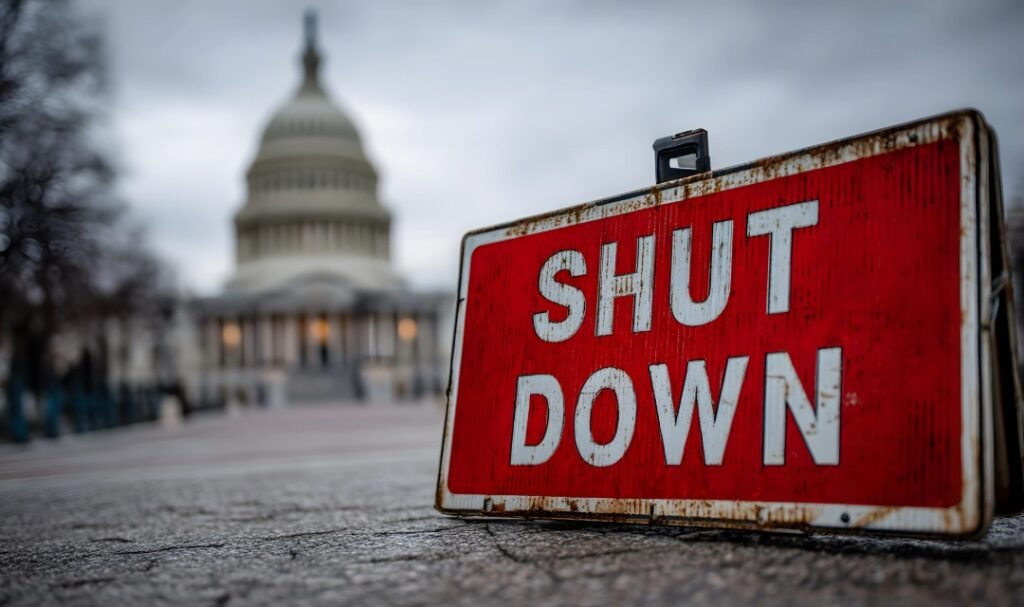
Yes — Peptide Sciences shut down. On March 6, 2026, the company posted a brief notice confirming they had made the decision to voluntarily close all operations and discontinue the sale of all research products. No advance warning. No explanation. No information about outstanding orders or refunds. The site went dark the same day. Any website currently claiming to be Peptide Sciences is fraudulent. Do not place orders or enter payment information on any site using their branding.
Key Research Facts: Peptide Sciences Shutdown
- Peptide Sciences confirmed voluntary closure on March 6, 2026
- The company was reportedly generating approximately $7.4 million in monthly sales as of December 2025
- Over 50 FDA warning letters were sent to research peptide vendors by September 2025
- Independent testing flagged CJC-1295, Tesamorelin, and Retatrutide with E ratings
- In February 2026, HHS announced 14 of 19 restricted peptides would be moved back to Category 1
- Peptide Sciences is the largest but not the only casualty — at least seven research peptide companies shut down in 2025 alon
What the Shutdown Notice Actually Said
The message Peptide Sciences posted was short — just two sentences. They described the closure as a voluntary decision and thanked customers for their support. No forwarding address, no refund process, no timeline, no explanation for why.
For a company that had been operating for over a decade and was reportedly generating around $7.4 million in monthly sales as recently as December 2025, the abruptness of the exit shocked a lot of people. Customers who had pending orders, store credit, or outstanding questions got no response. If you have an unfulfilled order, your best option is to contact your bank or credit card provider immediately to initiate a chargeback. Do not wait for a response from Peptide Sciences.
If you’re new to peptide research or want a better understanding of how these compounds are used, see what are peptides and how peptides work at the cellular level.
Why "Voluntary" Is the Most Important Word in Their Statement
The word “voluntarily” in their shutdown notice is telling. It signals a calculated business decision — the company chose to close before regulators arrived, rather than being forced out.
The timing makes the context clear. In the 18 months leading up to the shutdown, federal enforcement against gray-market research peptide vendors escalated dramatically. The FDA issued warning letters to multiple peptide suppliers including Prime Peptides, Xcel Peptides, and SwissChems. In June 2025, FDA agents conducted a physical warehouse raid on a major competitor. By September 2025, more than 50 warning letters had gone out across the industry. In early 2026, the SAFE Drugs Act was introduced, which would prohibit the sale of research chemicals identical to FDA-approved drugs without a New Drug Application.
Peptide Sciences saw where this was headed and got out ahead of it. That’s what “voluntary” means in this context. For a broader look at why this pattern is repeating across the industry, see why are peptide companies shutting down. For context on why peptide research has driven this level of commercial and regulatory attention in the first place, see why peptide research is growing worldwide.
The Regulatory Environment That Led Here
To understand why Peptide Sciences shut down, you need to understand the legal pressure that had been building across the entire research peptide industry.
Several peptides sold as research use only compounds — particularly GLP-1 analogs like semaglutide and tirzepatide — became targets of active enforcement by the FDA and major pharmaceutical companies. When the FDA declared the semaglutide shortage resolved in February 2025, it removed the legal basis many companies had used to justify compounding GLP-1 peptides. Criminal prosecutions followed. Tailor Made Compounding pleaded guilty to distributing unapproved drugs including BPC-157 and faced a $1.79 million forfeiture. All American Peptide’s owners pleaded guilty to conspiracy charges involving over $3 million in forfeitures.
The message from regulators was unambiguous: selling peptides for human use — regardless of research use only disclaimers — could result in prison time and financial ruin. Peptide Sciences, as one of the most visible vendors in the space, faced significant exposure. Shutting down voluntarily was the legally rational move. The full regulatory timeline is in the FDA peptide reclassification: what actually changed in 2026.
Were There Quality Issues Too?
Regulatory pressure wasn’t the only problem. Third-party testing data raised serious questions about product quality at Peptide Sciences, particularly on their newer and higher-profile compounds.
Independent testing platform Finnrick analyzed samples across multiple Peptide Sciences products. Some performed well, BPC-157 scored an A rating, and Ipamorelin averaged 9.2 out of 10 across nine tests. But others failed significantly. CJC-1295 received an E rating. Tesamorelin also received an E. Most notably, Retatrutide, one of their most searched and discussed products, received an E rating based on 37 samples tested between December 2024 and March 2026, with Finnrick flagging a counterfeit detection in November 2025.
Whether quality issues were a factor in the closure decision is unknown; the company made no statement. But the data is worth knowing if you’re evaluating what you may have received from them. The broader legal picture behind the enforcement pressure is in are peptides legal in the United States.
What to Look for in a Peptide Sciences Alternative
If you’re looking for a replacement supplier, the bar is higher now than it was 18 months ago. Compliance, documentation, and long-term operational stability matter more than price or product range. For a detailed supplier-side analysis of what the Peptide Sciences closure revealed and the five operational practices that define research-grade supply, see What the Peptide Sciences Shutdown Revealed at GENEVIUM.
Third-party COAs from accredited labs are the baseline. Not a PDF on a website — verifiable batch-specific results from an independent lab, including HPLC purity confirmation, mass spectrometry identity testing, and endotoxin data. Payment methods matter too. A supplier that accepts standard credit card processing has passed basic financial compliance screening. A supplier that only accepts Venmo, Zelle, Cash App, or cryptocurrency has been rejected by traditional processors — a significant red flag about how regulators and financial institutions view their business model.
BioStrata supplies research-grade peptides with full third-party COA documentation across the compounds most active in current research. View the BPC-157 10mg product page or browse the full research compound catalog.
FAQ: Why Did Peptide Sciences Shut Down?
Is Peptide Sciences coming back?
No indication of this. The closure was described as voluntary and permanent. The site is offline and no reopening has been announced.
Why did they shut down?
No official explanation was provided beyond the word “voluntary.” Based on the documented regulatory timeline, the most likely cause is that the company chose to exit before FDA enforcement reached them directly — the same calculation made by Amino Asylum, Paradigm Peptides, and at least seven other research peptide companies that shut down in 2025. This was not a failing business. It was a calculated exit under regulatory pressure.
What happened to pending orders and refunds?
Peptide Sciences announced no refund process. If you have an unfulfilled order, contact your bank or credit card provider as soon as possible to initiate a chargeback. Credit card chargebacks typically have a 60 to 120 day window depending on the issuer. Customers who paid via Venmo, Zelle, Cash App, or cryptocurrency have very limited recourse.
Did product quality issues contribute to the shutdown?
No official statement was made on this. However, independent testing showed deeply uneven results across their catalog. BPC-157 and Ipamorelin scored well. CJC-1295, Tesamorelin, and Retatrutide scored poorly, with Retatrutide flagged for potential counterfeiting across 37 samples. Whether this contributed to the closure decision is unknown — but it is important context for anyone evaluating the reliability of stock they may already have.
Where should I source research peptides now?
Prioritize suppliers with batch-specific third-party COAs, standard credit card payment processing, and transparent sourcing. A full evaluation framework is in how to evaluate peptide vendors and how to buy research peptides: what to look for. For guidance on COA documentation specifically, see how peptide purity is tested: understanding COAs and are peptides from Chinese suppliers safe.
- CONTINUE LEARNING
Explore Related Peptide Topics
Continue building your understanding by exploring related foundational peptide topics.
References & Sources
- FDA Warning Letters Database — U.S. Food & Drug Administration (FDA)
- Warning Letter to Summit Research Peptides — U.S. Food & Drug Administration, December 2024
- FDA Sends Warning Letters to GLP-1 Compounders — Wilson Sonsini, September 2025
- Rise of Unregulated Peptide Use in Consumer Markets — CNN Health, November 2025
- Why Did Peptide Sciences Close Down? Industry Analysis — Peptide Examiner, March 2026